Efficaci interventi enologici: un binomio di esigenza e competenza
Un articolo pubblicato su Vitenda 2024, dove si affronta il tema su come l'enologo in futuro sia in grado di produrre vini che riescano a garantire e ad accontentare le particoli richieste del mercato. Cliccare sull'immagine per accedere all'articolo
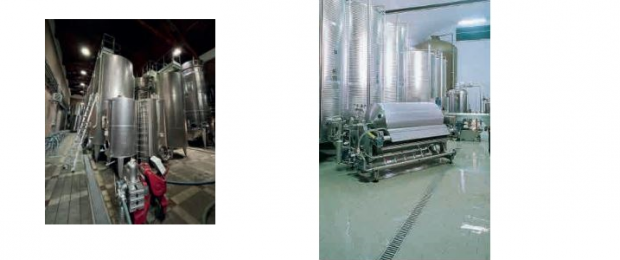
Chimica e vino: le conseguenze degli interventi su mosti e vini
Nel mosto e nel vino a volte vengono introdotte sostanze non presenti nell'uva o estratte delle sostanze indesiderate al fine di ottenere una migliore stabilità chimico-fisica e per migliorare i caratteri sensoriali
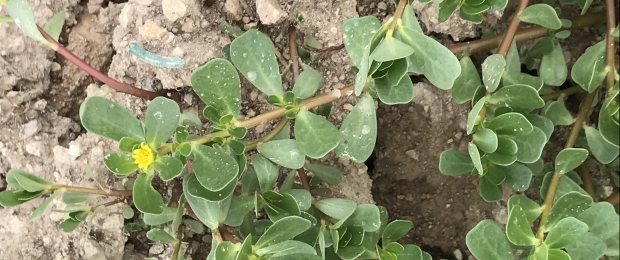
Costi d'impianto e di produzione del vigneto
Una estesa trattazione di tutte le fasi di gestione del vigneto, dall'impianto alla fase produttiva, con un focus sui costi delle varie operazioni (gestione manuale e meccanizzata). Cliccare sull'immagine per consultare l'articolo.
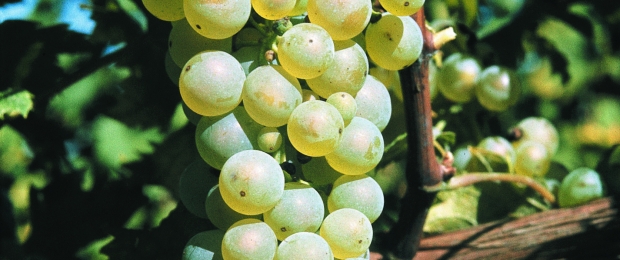
Tecnologia dei vini passiti
Un accurato articolo che descrive dal punto di vista normativo i vini ottenuti da uve appassite e illustra le principali tecniche di appassimento adottate.
I portainnesti della vite
Un articolo esaustivo e approfondito, pubblicato su Vitenda 2025, che descrive i differenti tipi di portainnesto e fornisce utili indicazioni sulla scelta delle specie più adatte a determinate situazione pedoclimatiche.
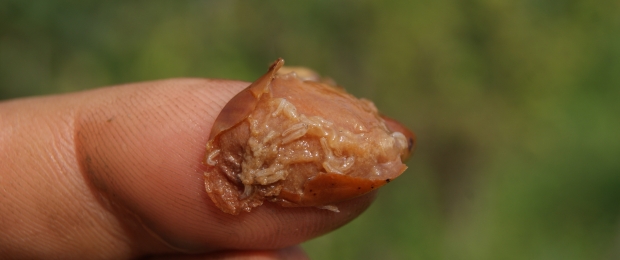
Una panoramica sui lepidotteri carpofagi della vite
Tra i lepidotteri carpofagi della vite Lobesia botrana ed Eupoecilia ambiguella sono sicuramente tra i più noti, ma ad oggi si affiancano ad essi numerose nuove specie che possono arrecare seri danni ai grappoli
CANALE YOUTUBE:
Cliccando sull'immagine potrai visualizzare tutti i video realizzati da Vit.En. riguardo le lavorazioni del passato ed i cambiamenti che hanno caratterizzato la viticoltura e più in generale la campagna nel tempo.
Alonso-Villaverdea V., Voinescob F., , Viretb O., Springb J.L., Gindrob K. – 2011 - The effectiveness of stilbenes in resistant Vitaceae: Ultrastructural and biochemical events during Plasmopara viticola infection process. Plant Physiology and Biochemistry, 49, 265–274.
Bialonska D., Zobel A. M., Kuras M., Tykarska T., Sawicka-Kapusta K. – 2007 - Phenolic compounds and cell structure in bilberry leaves affected by emissions from a Zn–Pb smelter. Water Air Soil Pollut., 181, 123–133.
Boubals D. – 1959 - Amélioration de la résistance de la vigne au mildiou (Plasmopara viticola (Berk et Curt.) Berlese et de Toni). Recherche de géniteurs de résistance. Ann. Amél. Plantes, 6, 481–525.
Dai G.H., Andary C., Mondolot-Cosson L., Boubals D. – 1995 - Histochemical studies on the interaction between three species of grapevine, Vitis vinifera, V. rupestris and V. rotundifolia and the downy mildew fungus, Plasmopara viticola. Physiol. Mol. Plant Pathol., 46, 177–188.
Dercks W., Creasy L. L. - 1989 - The significance of stilbene phytoalexins in the Plasmopara viticola-grapevine interaction. Physiol. Mol. Plant Pathol., 34, 189–202.
Díez-Navajas A. M., Wiedemann-Merdinoglu S., Greif C., Merdinoglu D. – 2008 - Nonhost versus host resistance to the grapevine downy mildew, Plasmopara viticola, studied at the tissue level. Phytopathology, 98, 776–780.
Gindro K., Pezet R. – 2001 - Effects of long-term storage at different temperatures on conidia of Botrytis cinerea Pers.: Fr. FEMS Microbiol. Lett., 204, 101–104.
Gindro K., Pezet R., Viret O. – 2003 - Histological study of the responses of two Vitis vinifera cultivars (resistant and susceptible) to Plasmopara viticola infections. Plant Physiol. Biochem., 41, 846–853
Goetz G., Fkyerat A., Métais N., Kunz M., Tabacchi R., Pezet R., Pont V. – 1999 - Resistance factors to grey mould in grape berries: identification of some phenolics inhibitors of Botrytis cinerea stilbene oxidase. Phytochemistry, 52, 759–767.
Hammerschmidt R. – 2004 - The metabolic fate of resveratrol: key to resistance in grape? Physiol. Mol. Plant Pathol., 65, 269–270.
Jeandet P., Douillet-Breuil A. C., Bessis R., Debord S., Sbaghi M., Adrian M. – 2002 - Phytoalexins from the Vitaceae: biosynthesis, phytoalexin gene expression in transgenic plants, antifungal activity, and metabolism. J. Agric. Food Chem., 50, 2731–2741.
Jürges G., Kassemeyer H. H., Dürrenberger M., Düggelin M., Nick P. – 2009 - The mode of interaction between Vitis and Plasmopara viticola Berk. & Curt. Ex de Bary depends on the host Species. Plant Biol., 11, 886–898.
Kortekamp A., Zyprian E. – 2003 - Characterization of Plasmopara-resistance in grapevine using in vitro plants. J. Plant Physiol., 160, 1393–1400.
Langcake P. – 1981 - Disease resistance of Vitis spp. and the production of the stress metabolites resveratrol, ɛ-viniferin, α-viniferin and pterostilbene. Physiol. Plant Pathol., 18, 213–226.
Musetti R., Stringher L., Borselli S., Vecchione A., Zulini L., Pertot I. – 2005 - Ultrastructural analysis of Vitis vinifera leaf tissues showing atypical symptoms of Plasmopara viticola. Micron, 36, 73–80.
Perret C., Pezet R., Tabacchi R. – 2003 - Qualitative analysis of grapevine tannins by mass spectrometry and their inhibitory effect on stilbene oxidase of Botrytis cinerea. CHIMIA Int. J. Chem., 57, 607–610.
Pezet R., Gindro K., Viret O., Spring J.L. – 2004 - Glycosylation and oxidative dimerization of resveratrol are respectively associated to sensitivity and resistance of grapevine cultivars to downy mildew. Physiol. Mol. Plant Pathol., 65, 297–303
Pezet R., Perret C., Jean-Denis J.B., Tabacchi R., Gindro K., Viret O. - 2003 - δ-viniferin, a resveratrol dehydrodimer: one of the major stilbenes synthesized by stressed grapevine leaves. J. Agric. Food Chem., 51, 5488–5492.
Pezet R., Pont V. – 1992 - Differing biochemical and histological studies of two grape cultivars in the view of their respective susceptibility and resistance to Botrytis cinerea. Verhoeff K., Malathrakis N.E., Williamson B. (Eds.), Recent Advances in Botrytis Research, Proceedings of the 10th International Botrytis Symposium, Heraklion, Greece, 93–98.
Richter H., Pezet R., Viret O., Gindro K. – 2006 - Characterization of 3 new partial stilbene synthase genes out of over 20 expressed in Vitis vinifera during the interaction with Plasmopara viticola. Physiol. Mol. Plant Pathol., 67, 248–260.
Schmidlin L., Poutaraud A., Claudel P., Mestre P., Prado E., Santos-Rosa M., Wiedemann-Merdinoglu S., Karst F., Merdinoglu D., Hugueney P. – 2008 - A stress-inducible resveratrol O-methyltransferase involved in the biosynthesis of pterostilbene in grapevine. Plant Physiol., 148, 1630–1639.
Slaughter A. R., Hamiduzzaman M. M., Gindro K., Neuhaus J. M., Mauch-Mani B. – 2008 - Beta-aminobutyric acid-induced resistance in grapevine against downy mildew: involvement of pterostilbene. Eur. J. Plant Pathol., 122, 185–195.
Trouvelot S., Varnier A. L., Allegre M., Mercier L., Baillieuil F., Arnould C., Gianinazzi-Pearson V., Klarzynski O., Joubert J. M., Pugin A., Daire X. – 2008 - A beta-1,3 glucan sulfate induces resistance in grapevine against Plasmopara viticola through priming of defense responses, including HR-like cell death. Mol. Plant Microbe Interact., 21, 232–243.
Unger S., Bueche C., Boso S., Kassemeyer H. H. – 2007 - The course of colonization of two different Vitis genotypes by Plasmopara viticola indicates compatible and incompatible host-pathogen interactions. Phytopathology, 97, 780–786.
Un articolo che descrive le princiali novità in ambito vivaistico PER L'ANNATA 2019, sottolineando in particolare sulla nuova normativa per il vivaismo viticolo e le varietà tolleranti alle crittogame.
Da Informatore Agrario, 4 (75).
Di Pedò S., Bottura M., Porro Duilio.
Un articola che illustra la situazione sull'impiego di viti resistenti e sul loro comportamento in campo, confrontando le differenze tra le cultivar [...]